
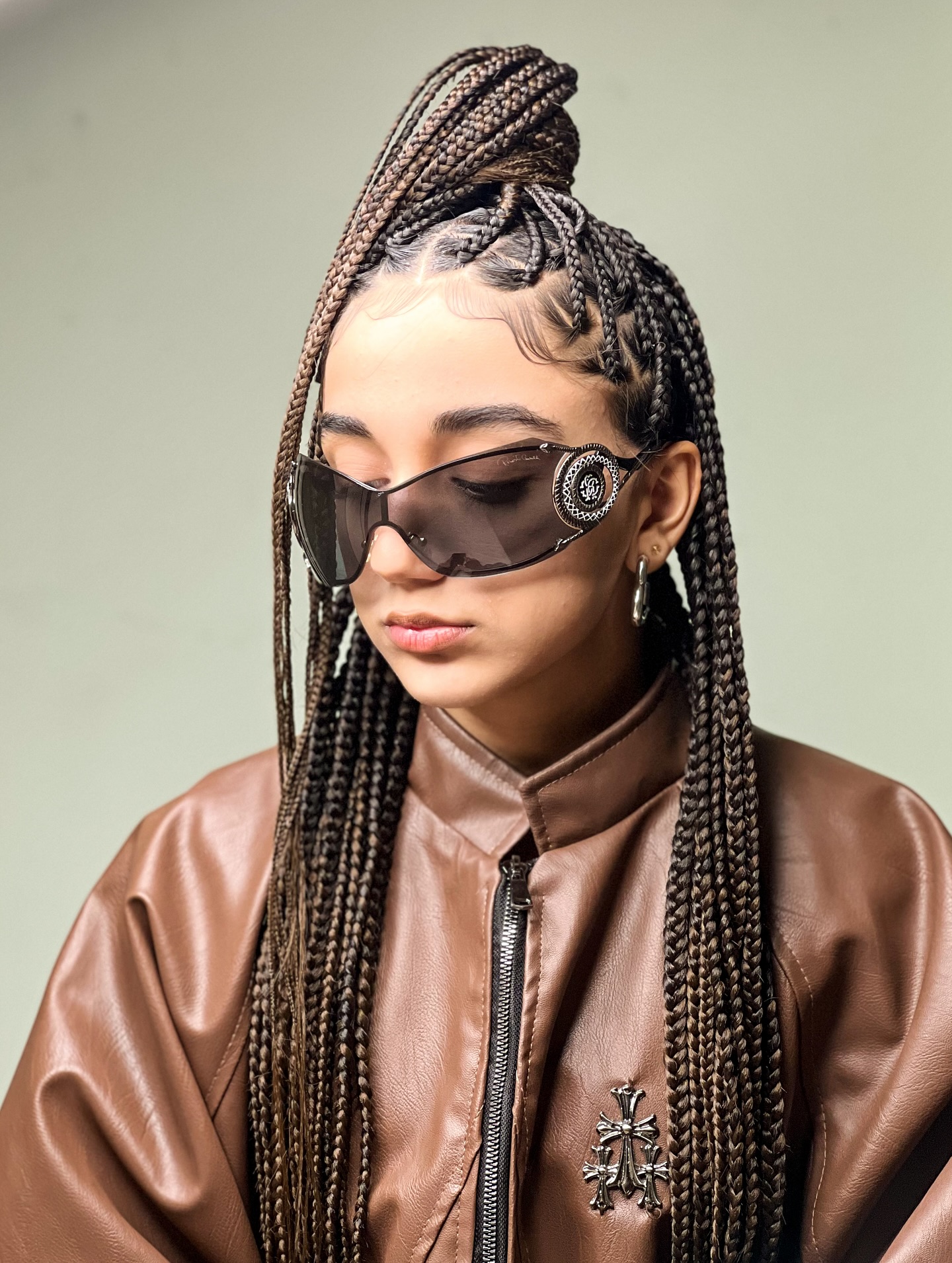
They protect your natural hair from damage and breakage. You do not need professional skills to start braiding.
Some styles take just five minutes to complete. Others require a salon visit and several hours. Either way, you have options. Lots of them.
This guide breaks down over thirty braid styles into four simple categories. Find what works for your hair type, your schedule, and your personal style.
Let’s get started.
Classic Braids You Can Do at Home
Basic Three-Strand Braid
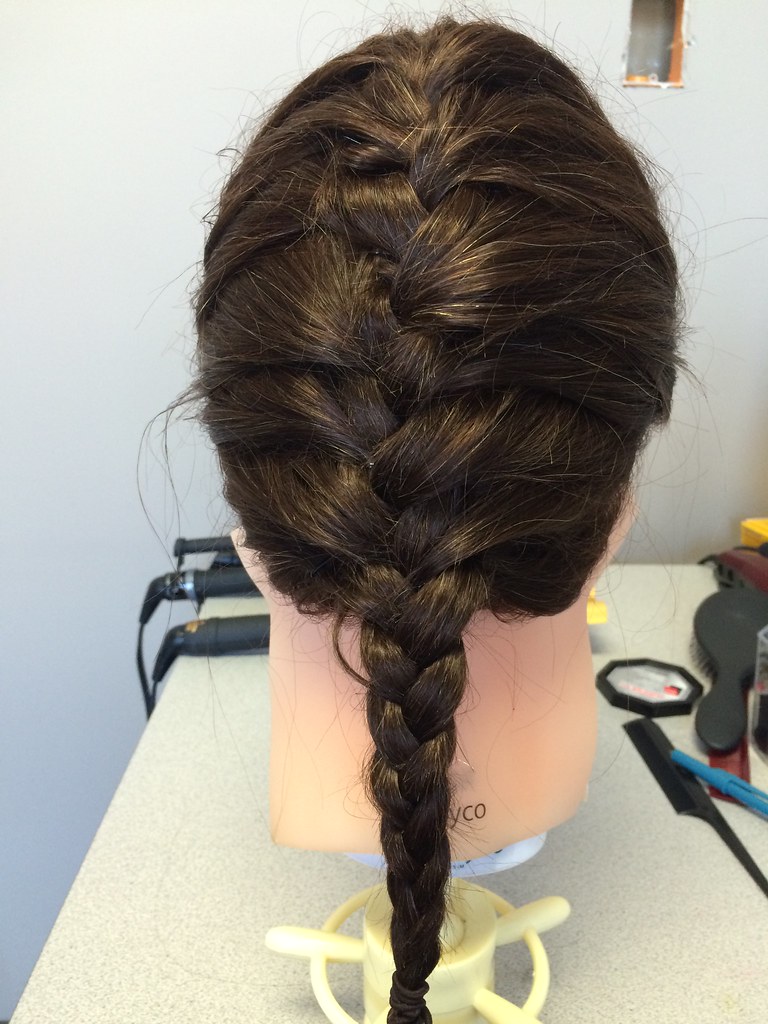
The basic three-strand braid starts everything.
Divide your hair into three equal sections. Cross the right strand over the middle one. Then cross the left strand over the new middle. Repeat this pattern all the way down your hair. Secure the end with a simple elastic.
This braid is the foundation for countless other styles. It might take a few tries to get right, but it will become a breeze once you do.
You can wear it alone or use it as a building block for more complex looks.
French Braid
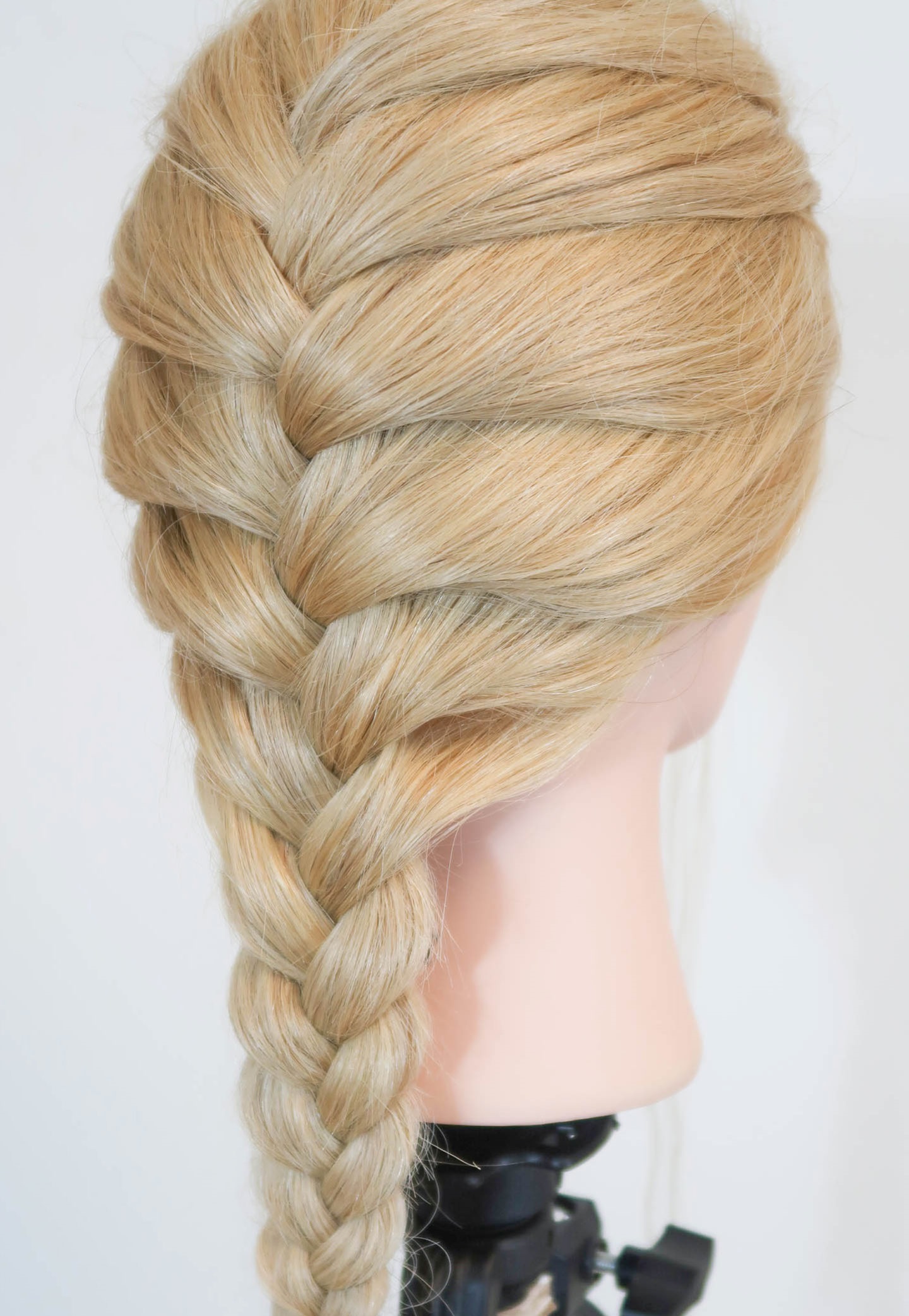
French braids look elegant but require practice.
Start the braid close to your scalp using three sections of hair. Add more hair each time you cross a section over the middle. This continuous integration creates that distinctive French look.
Any hair type can sport this versatile style. Wear it for a workout or dress it up for date night.
The French braid works well on both clean and second-day hair. Texturizing spray can help grip slippery strands.
This timeless braid remains an icon in the hair world for good reason.
Dutch Braid
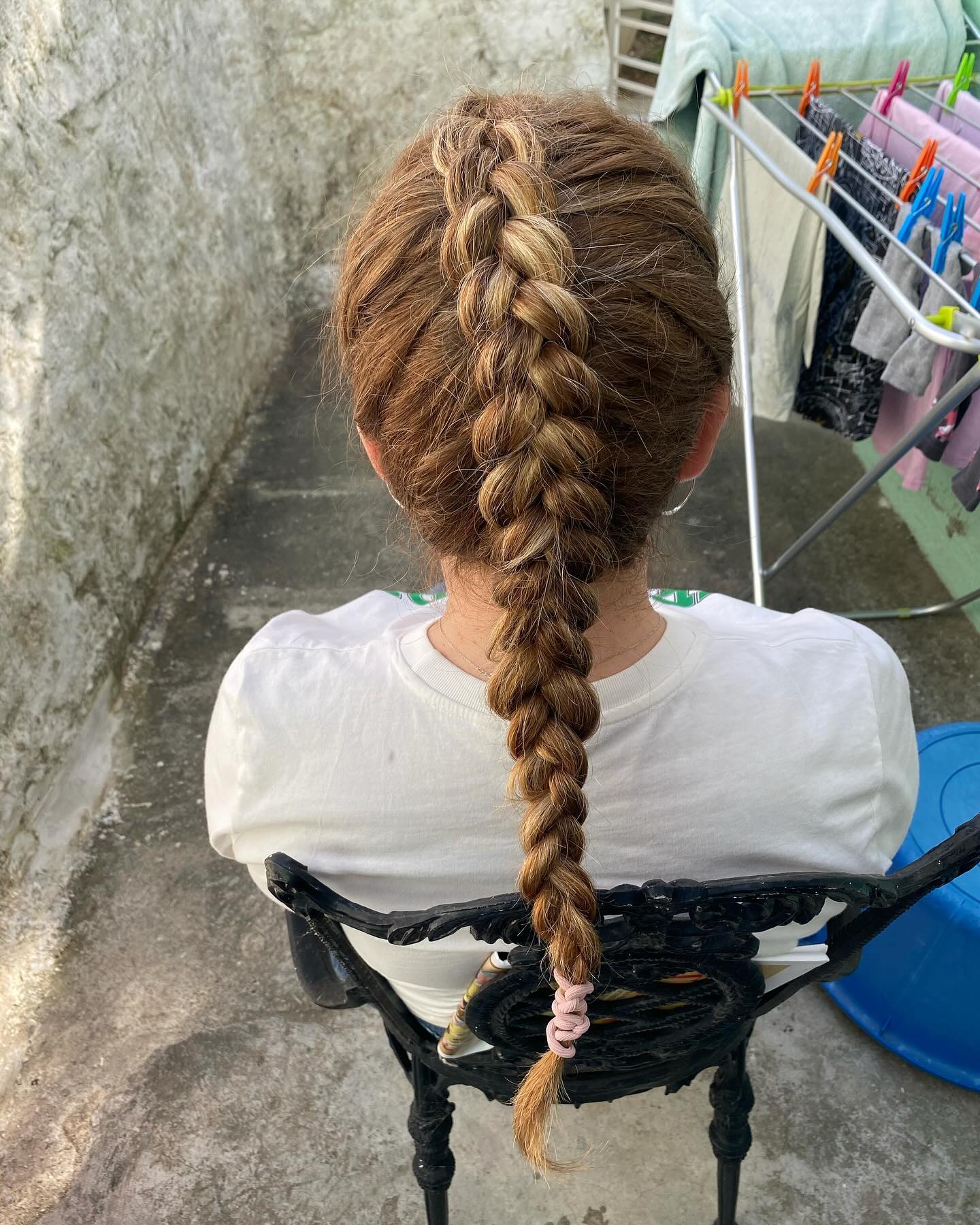
Dutch braids offer a dramatic raised effect.
The process mirrors the French braid technique closely. But you cross the sections under instead of over them. This creates a stunning braid that stands out from your hair.
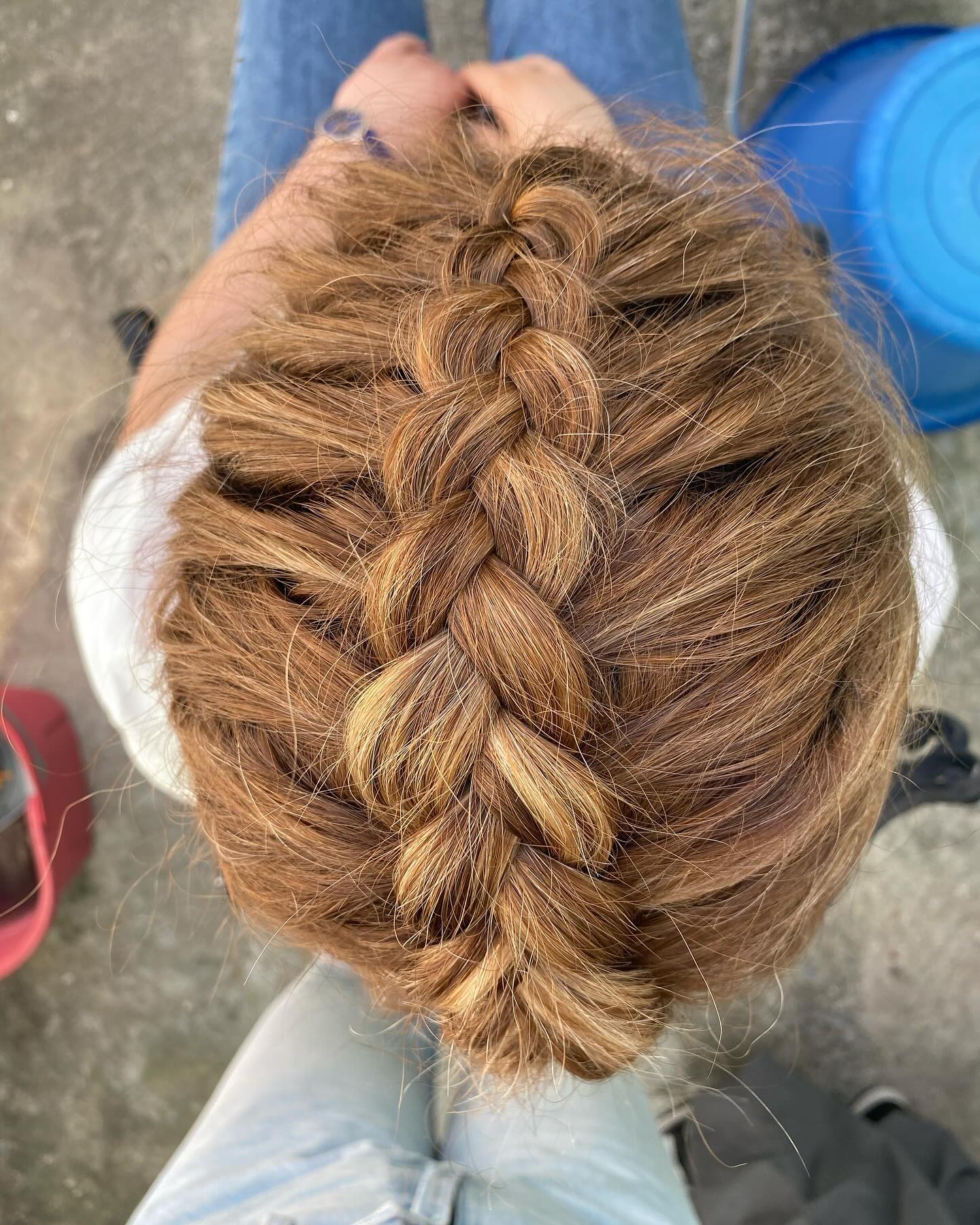
Think of it as a reverse French braid. The raised appearance adds volume and dimension to any hairstyle. Dutch braids work great for festivals, weddings, or everyday wear.
You can create one central Dutch braid or two pigtail styles. Many people prefer this braid because it shows up beautifully in photographs.
Fishtail Braid
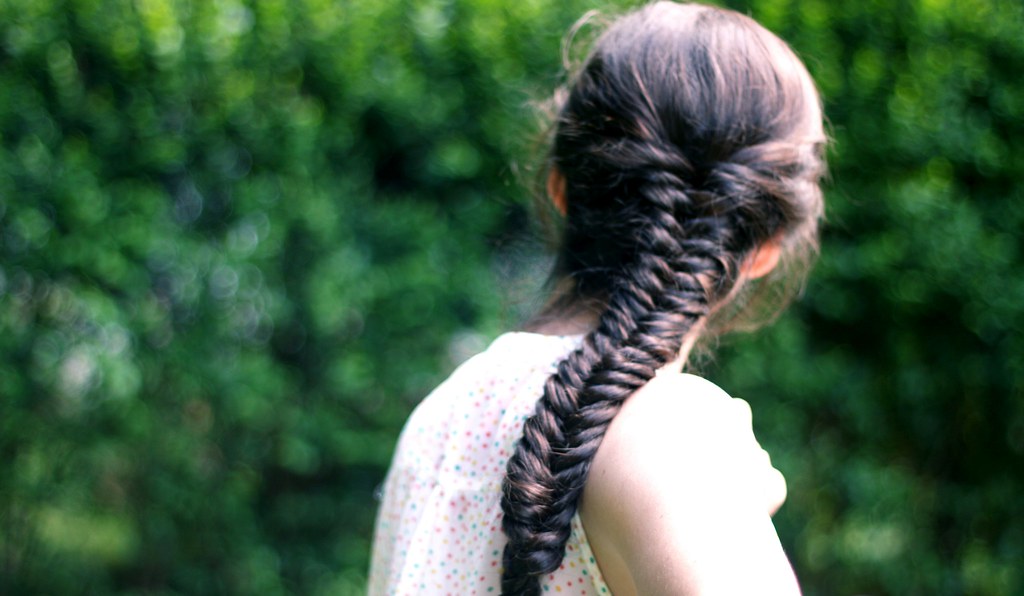
Fishtail braids look intricate but deceive you completely. They are surprisingly simple to create at home.
Split your hair into two large sections first. Take a small piece from one outer edge. Cross that piece over to the inner part of the other section. Repeat this process, alternating sides until you reach the end.
The finished braid resembles a fish skeleton, hence the name. Pull apart the pieces gently to add dimension and texture.
A spritz of texturizing spray gives it an extra bit of edge and hold.
Rope Braid
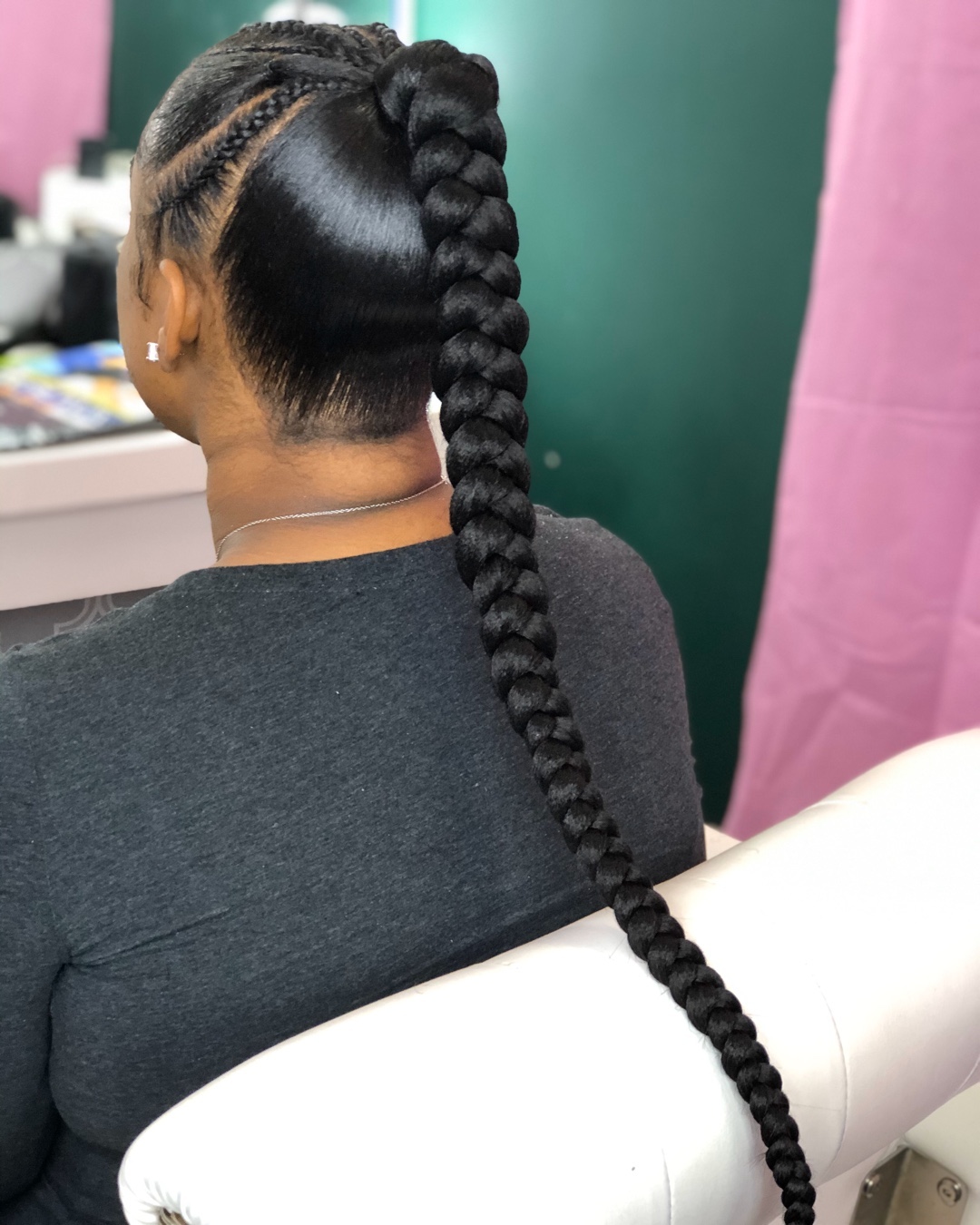
Rope braids work great for beginners seeking quick results.
Split your hair into two equal sections to start. Twist each section tightly in one direction on its own. Then twist both sections together in the opposite direction.
This creates a beautiful twisted “rope” effect instantly. Secure the end with a clear elastic band. The best part comes later when you unravel it. You get gorgeous, heatless waves without any styling tools.
You can create one rope braid, two, or as many as you like across your head.
Waterfall Braid
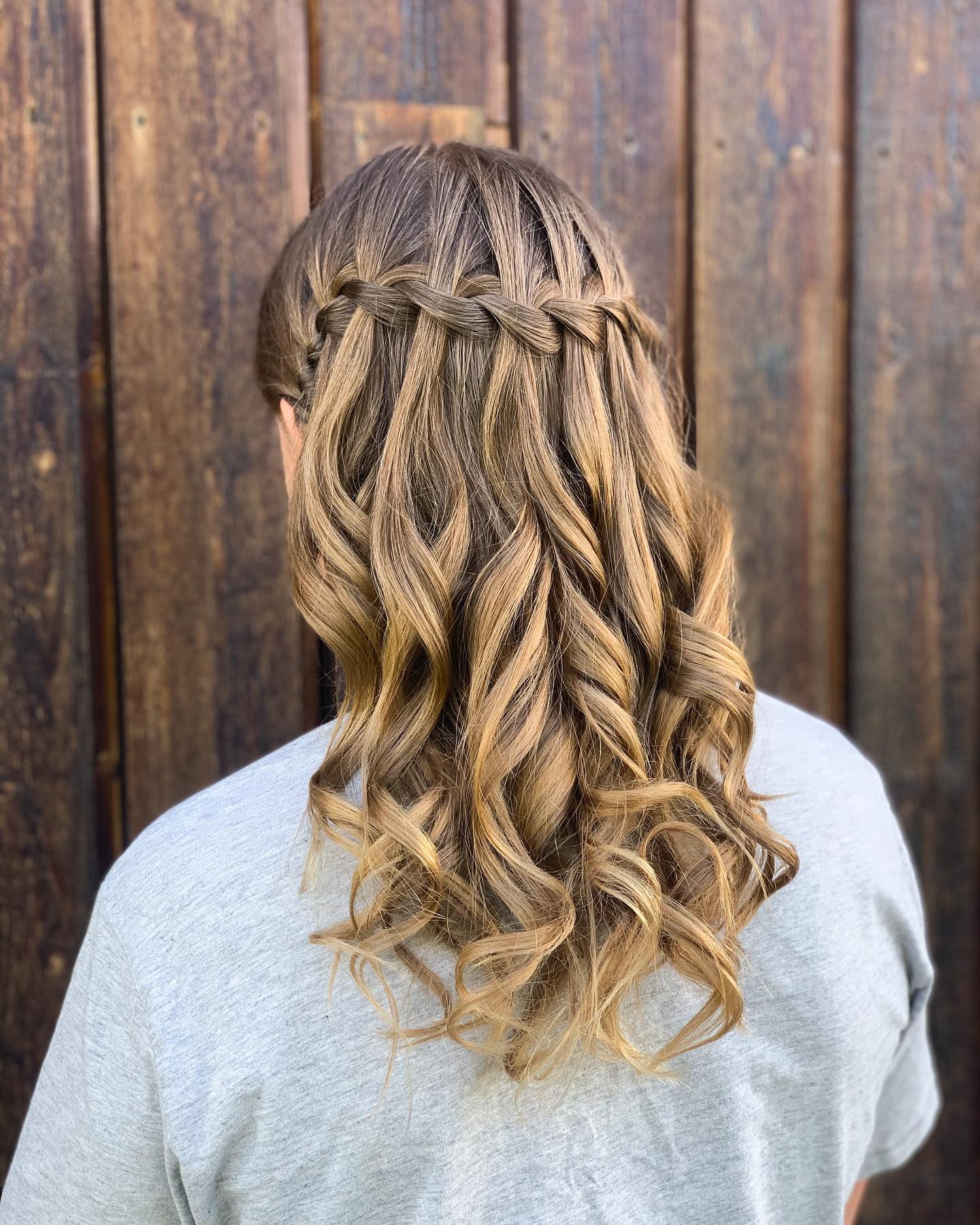
The waterfall braid creates a cascading hair illusion that turns heads.
Start with three sections on the side of your head. Drop the bottom section of hair each time you cross. Let that strand hang loose to create the “waterfall” effect.
Pick up new hair from behind the dropped piece each time. Continue this pattern around your head for a flowing look. The dropped strands cascade down like flowing water.
This braid works beautifully for weddings or date nights. It keeps some hair loose while still looking polished and romantic.
Pull-Through Braid
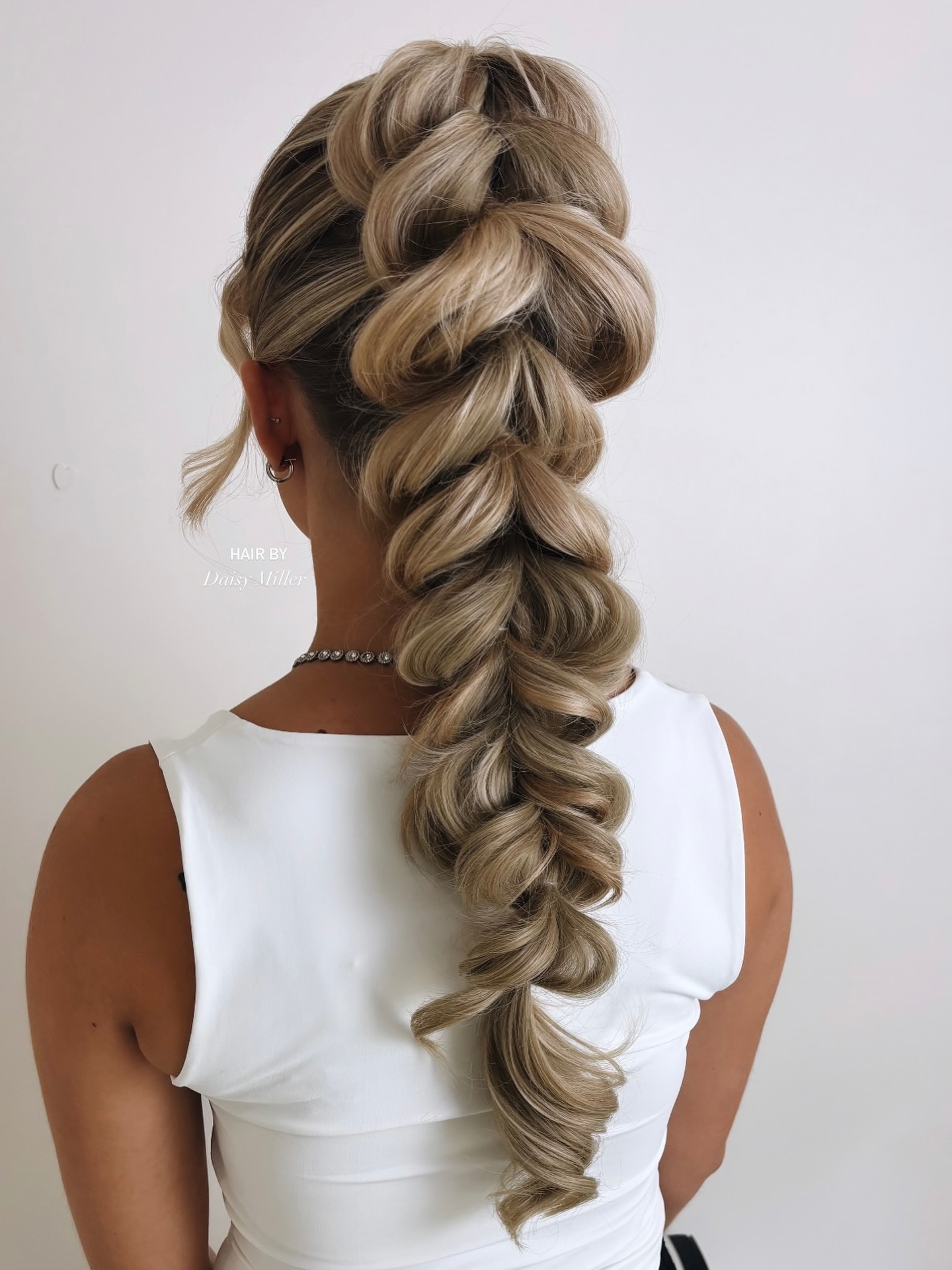
The pull-through braid requires no traditional braiding techniques at all.
Gather a section of hair at your crown into a ponytail first. Make another ponytail directly below that one. Split the first ponytail in half vertically. Pull the second ponytail through the split opening.
Secure with a hair tie and repeat all the way down. This creates a voluminous, chunky braid that looks complex. It works perfectly for those with thin hair.
The pull-through braid adds texture and depth to any look in minutes.
Protective Styles for Natural Hair
Box Braids
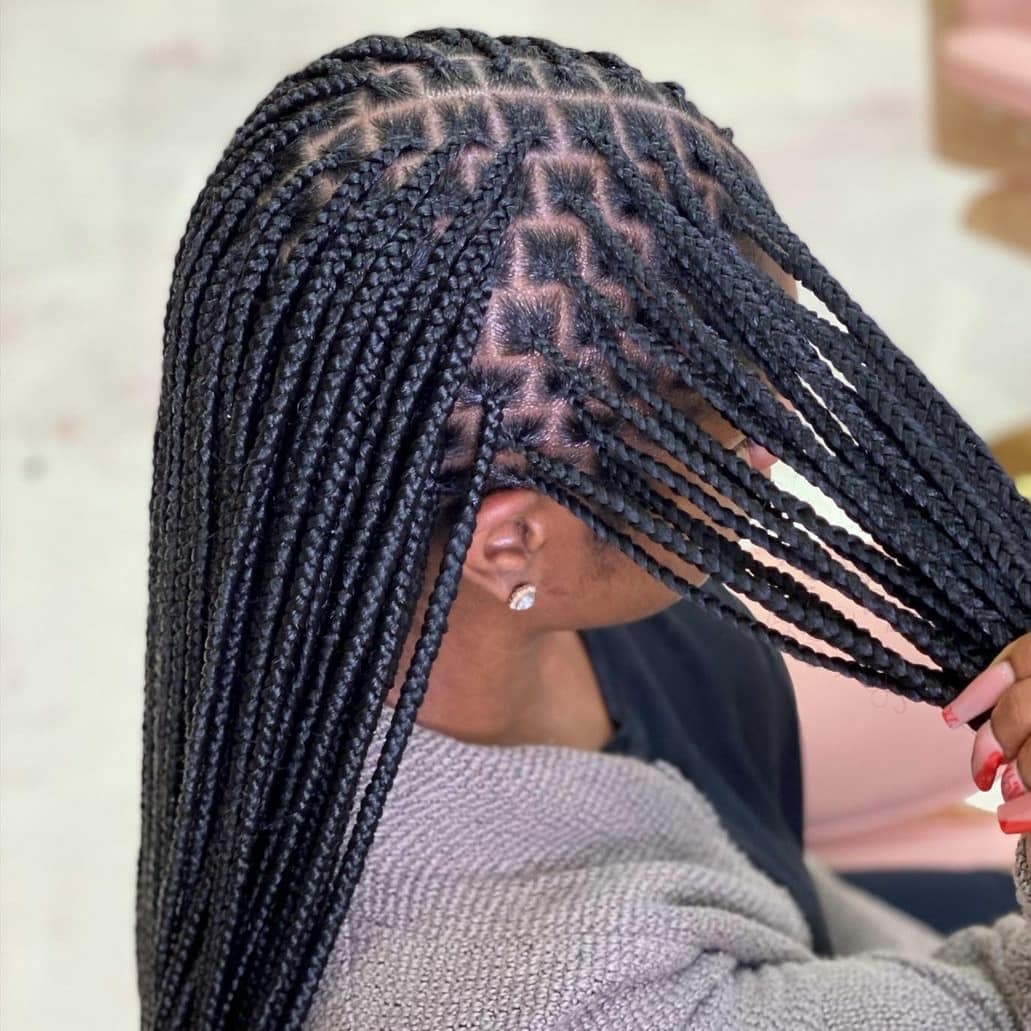
Box braids offer endless styling possibilities for natural hair.
Section your hair into small squares or rectangles first. Braid each section down while adding extension hair as you go. This classic protective style can last for many weeks with care.
You can wear them loose down your back or in elegant updos. The squared-off parts create a neat, grid-like pattern on your scalp.
Box braids protect your natural hair from daily stress and breakage. They give you a break from heat styling and harsh weather exposure.
Knotless Box Braids
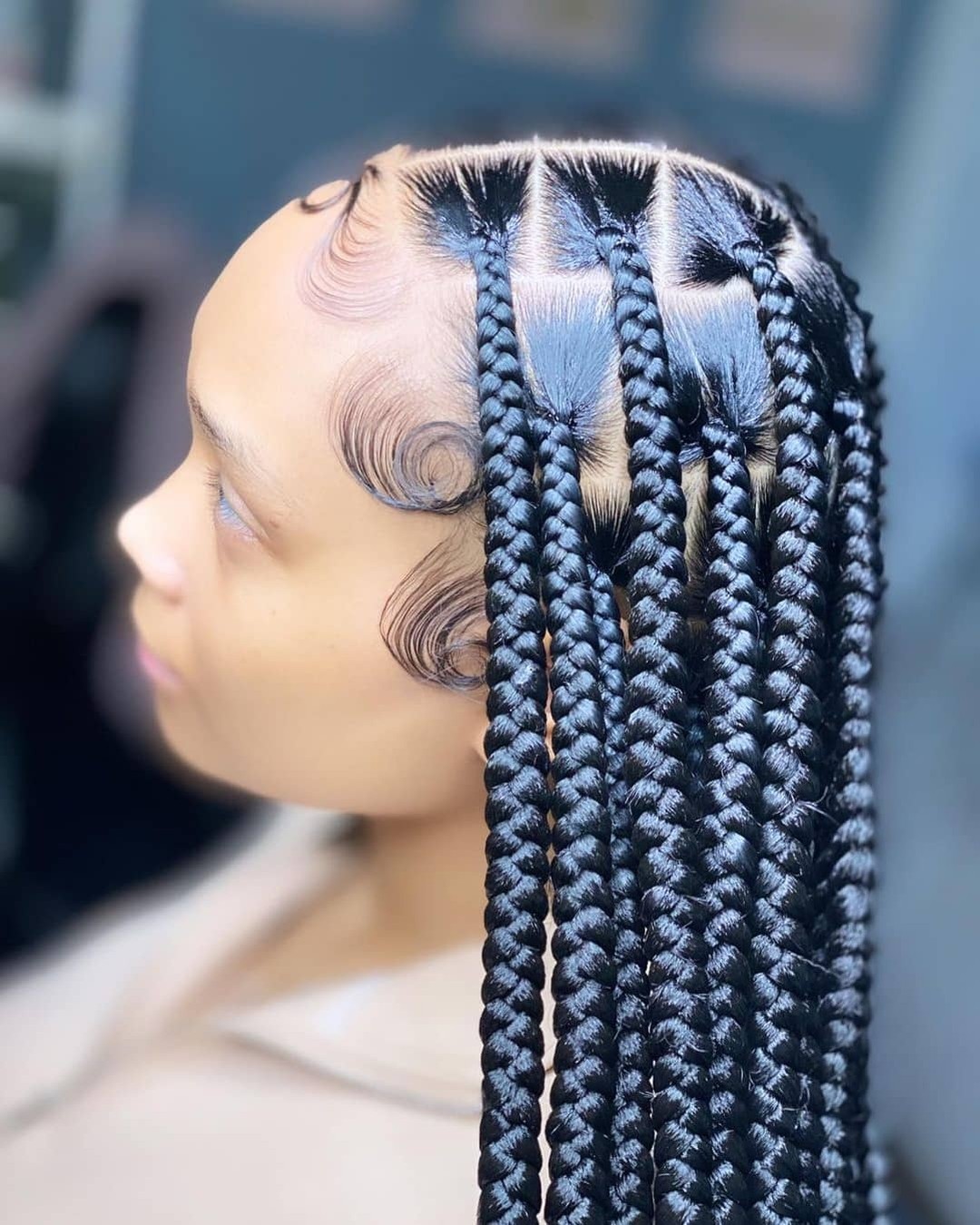
Knotless box braids reduce tension on your sensitive scalp significantly.
Traditional box braids start with a knot at the root. Knotless braids use a gradual feed-in technique instead.
Synthetic hair gets added as the braid continues down the strand. This creates a natural, flat-looking root with less discomfort.
Celebrities like Zendaya and Zoe Kravitz swear by this style. The lightweight feel makes them comfortable for long-term wear.
Your scalp will thank you for choosing this gentler option. Knotless braids look seamless and lie flat against your head.
Cornrows
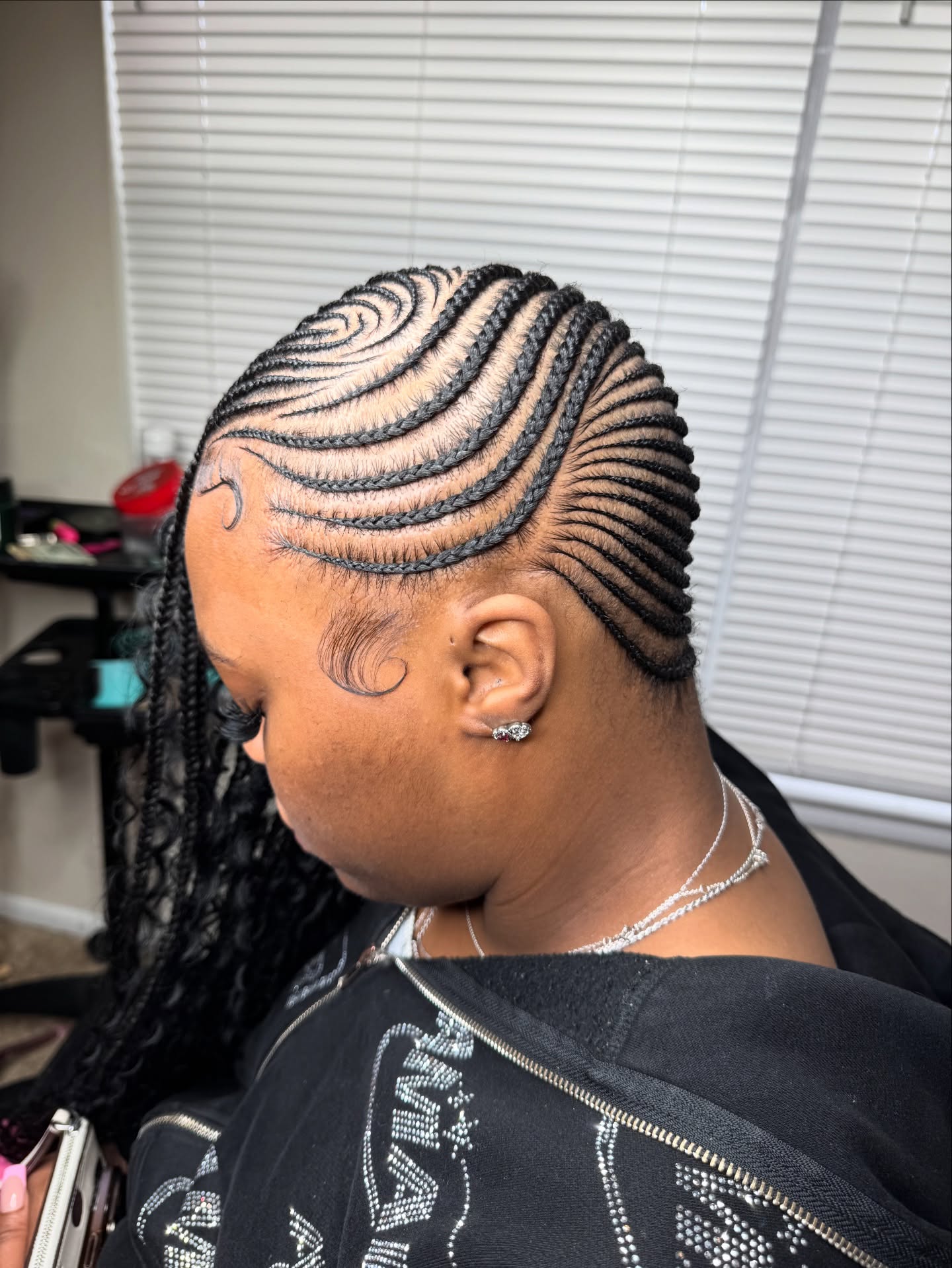
Cornrows remain timeless and highly customizable for all ages.
Braid the hair flat to the scalp in straight or curved lines. This technique uses an underhand, upward motion throughout.
Cornrows work great for curly and natural hair textures. They look good on medium to long hair lengths especially.
You can create simple straight rows or intricate geometric designs. Cornrows hold cultural significance dating back to ancient Africa.
They are neat, clean, and long-lasting with proper care. You can dress them up or down for any occasion easily.
Goddess Braids
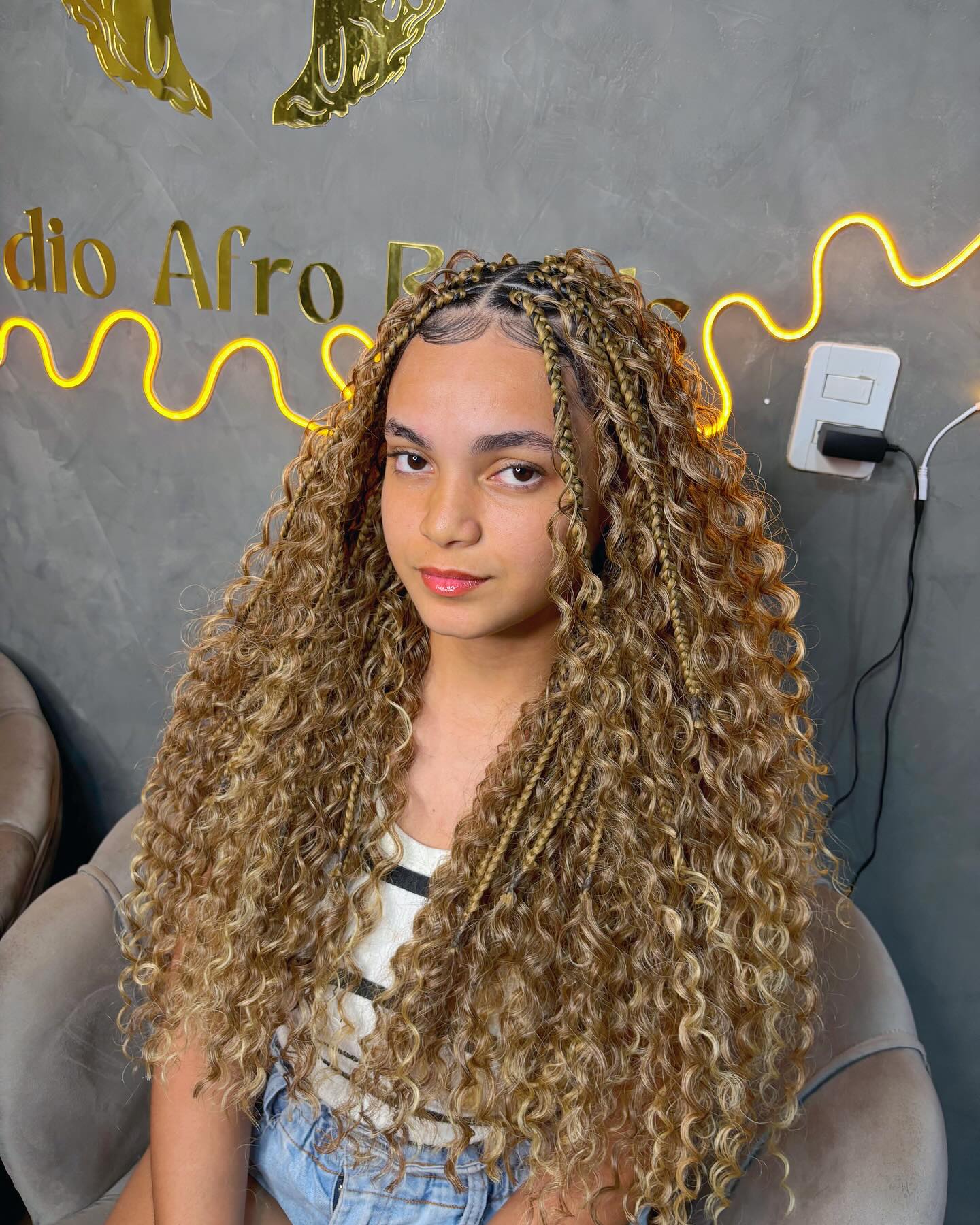
Goddess braids make a bold and regal statement wherever you go.
They resemble cornrows but use larger sections of hair. The braids themselves are thicker than traditional plaits.
Many styles leave curly human hair loose at the ends. This creates a regal and feminine appearance overall. You can add beads or gold cuffs for extra decoration. Goddess braids work well for special events or vacations.
They protect your natural hair while looking glamorous. The loose curly ends add movement and softness to the style.
