
A small amount of texturizing cream enhances definition without stiffness. The finished look feels modern, playful, and effortlessly stylish for everyday wear.
Pixie with Soft Undercut
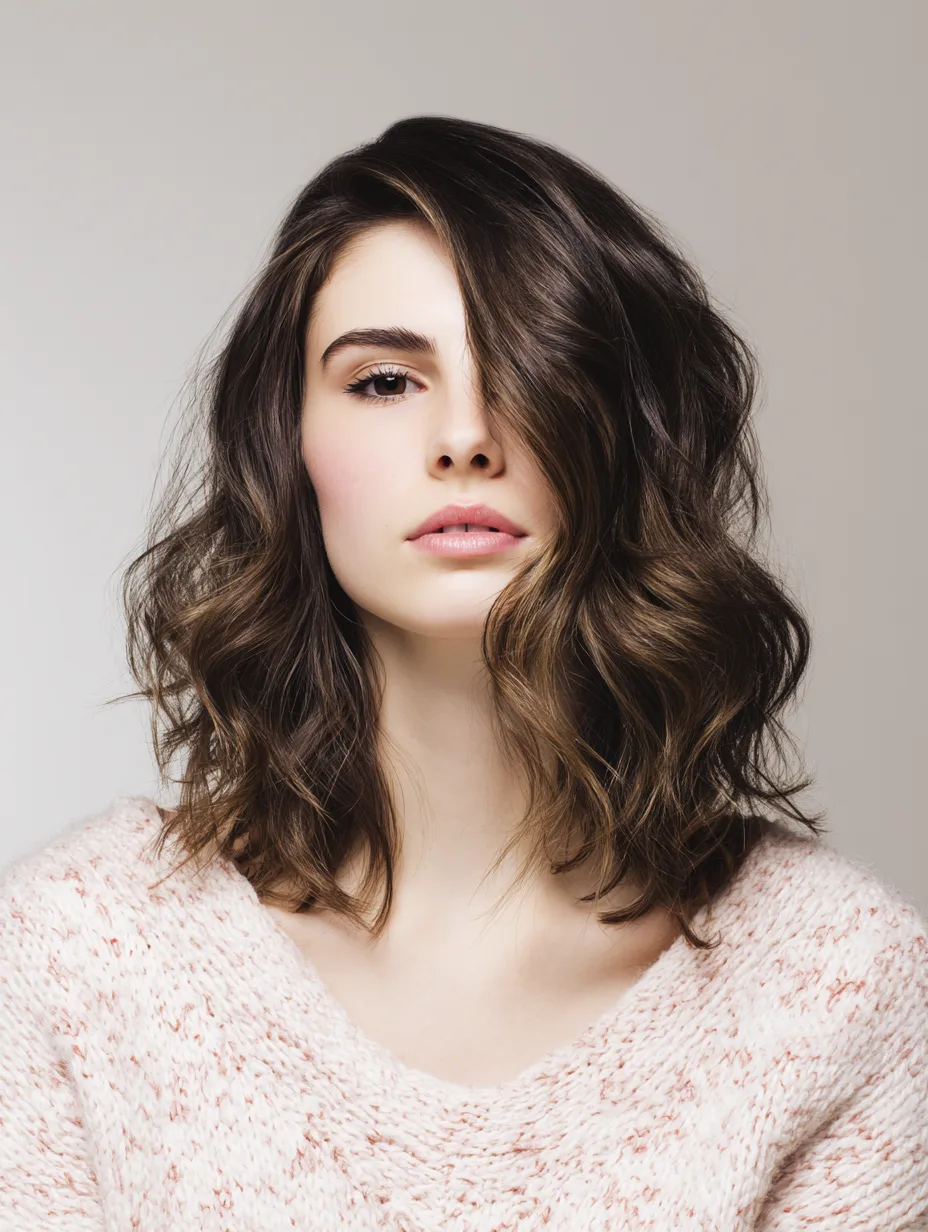
A pixie with a soft undercut removes excess bulk underneath while allowing fine hair on top to stand out.
The contrast makes the crown appear fuller and more dimensional. This cut works especially well for women who like clean lines with subtle edge.
Styling remains simple with a volumizing mousse and quick shaping. The result feels bold, lightweight, and easy to manage.
Airy Pixie with Natural Flow
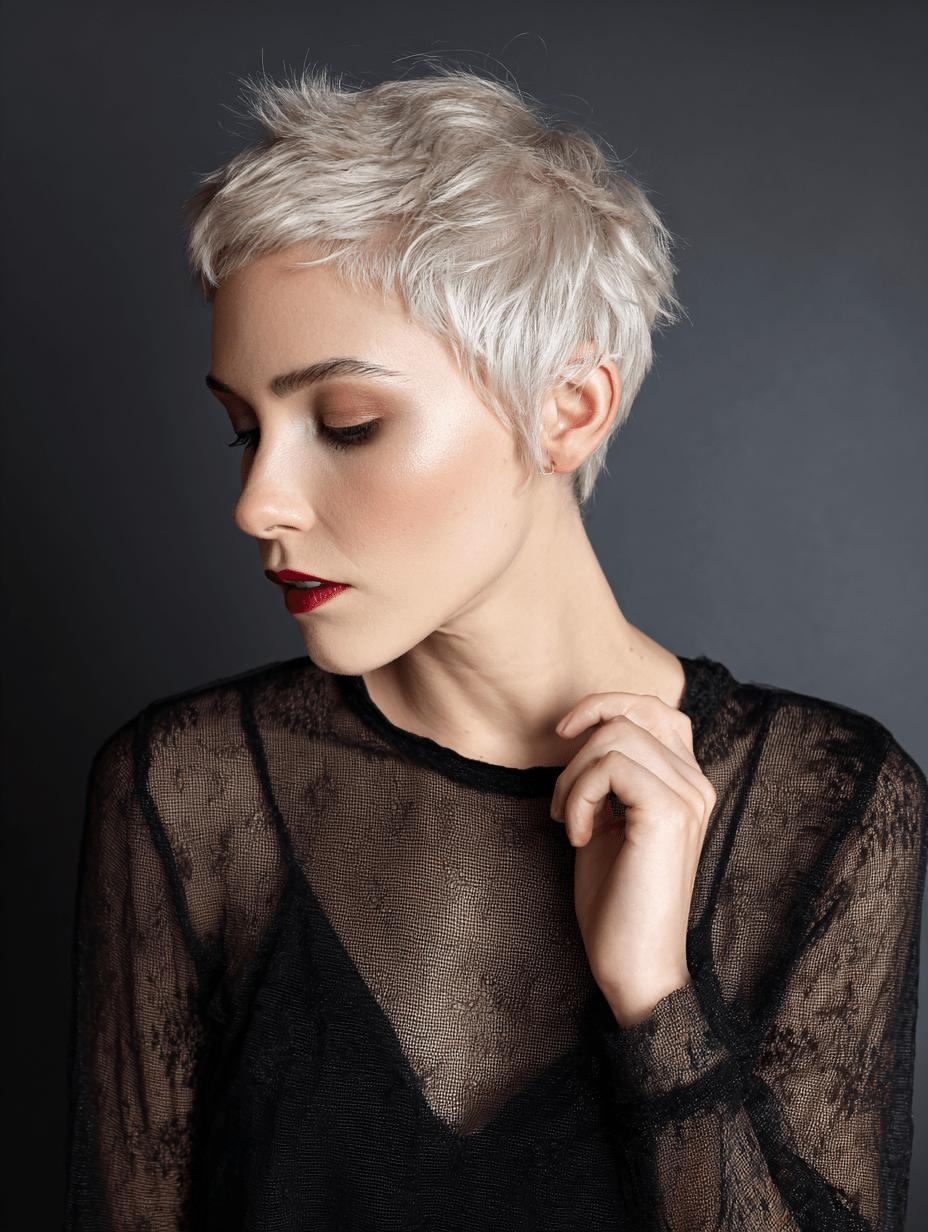
Airy pixie cuts focus on natural flow, making fine hair appear lighter and more voluminous.
Soft layers encourage movement without thinning the overall shape. This style suits women who prefer relaxed, low-effort looks.
A quick blow-dry with fingers enhances lift while keeping texture natural. The finished haircut feels breezy, balanced, and perfect for effortless daily styling.
Style Guide for Short Pixie Haircuts for Fine Hair
Choosing the right pixie for fine hair comes down to how the layering builds visual fullness, how the perimeter is shaped, and how much daily styling you want to do.
This guide walks through each decision so you can pick a version that maximizes the appearance of density.
Why Pixies Suit Fine Hair
Fine hair tends to look flat and one dimensional in longer cuts because the weight pulls the hair down and removes any natural lift.
A pixie removes that weight problem entirely by keeping the length short, which lets the hair sit closer to the head and creates the appearance of more density.
The crown layering builds vertical lift, and the cropped sides emphasize that fullness. The result is a cut that visually maximizes whatever density you have.
Soft vs Textured Pixie
A soft pixie has gentle blended layering and a smooth finish, which creates a polished feminine look.
A textured pixie has more visible separation between pieces, often achieved with point cutting or razor work that adds movement and intentional irregularity.
For fine hair, the textured version often creates more visible fullness because the separation between pieces makes the hair appear thicker. The soft version creates a more sleek look but can sometimes flatten.
Pixie vs Short Bob for Fine Hair
Both can work for fine hair, but they create different effects. A pixie maximizes lift at the crown and keeps the most cropped silhouette.
A short bob keeps a more even outline with slightly more length around the head. Pixies usually create more visible fullness for very fine hair because the cropped sides emphasize the lift.
Short bobs work when there is enough density to support a longer perimeter.
Layering for Fine Hair
Layering on fine hair has to be controlled.
Heavy or aggressive layering removes too much weight and leaves the ends looking thin. Soft blended layering through the crown builds lift without sacrificing the perimeter.
Ask your stylist to keep the very ends slightly blunt, since blunt ends always read as fuller than feathered ones on fine hair.
Texturizing should be done sparingly and with intent.
Length on Top
The length kept on top affects how much fullness you can create.
A shorter top sits close to the head and offers a sleek finish but less visible lift. A slightly longer top can be styled with more height, which creates the appearance of more density.
For very fine hair, a slightly longer top with built in lift usually creates the fullest look. Talk with your stylist about what length suits your styling preferences.
Face Shape Considerations
Round faces look balanced with a pixie that has crown height and slightly longer side pieces.
Long faces benefit from softer crown height and more side fullness. Square faces look softer with side swept fringe and softer layering near the jaw.
Heart shaped faces look great with a bit of fullness around the chin or longer pieces near the jaw.
Bangs and Fringe
Bangs add visual fullness around the front of the cut. Side swept bangs blend with the rest of the cut and grow out smoothly.
Wispy bangs add softness without weight, which suits fine hair beautifully. Piecey bangs add visible separation that reads as fuller.
Skipping bangs keeps the forehead open and works well when the top is styled with height.
Color for Visual Fullness
Color is one of the most useful tools for adding the appearance of fullness to fine hair.
Highlights through the crown create dimension that catches light and makes the hair look thicker. A solid color can look flat on fine hair, so even subtle dimension helps.
Avoid heavy bleaching that can damage fine hair and reduce density further. Demi permanent color is gentler than permanent on fine hair.
Styling Products and Techniques
Light products are essential. A volumizing mousse at the roots followed by a quick blow dry with fingers or a small brush builds lift.
A texture spray adds grip and visible separation that makes the layering show. Avoid oils, heavy creams, or thick waxes that weigh fine hair down.
A small amount of dry shampoo at the roots between washes keeps the lift going.
Maintenance
Trims every 4 to 6 weeks keep the pixie shape sharp. The short length means small amounts of growth show quickly.
Color treated pixies may need slightly more frequent maintenance to keep roots and shape both looking fresh.
The maintenance commitment is the biggest trade off with a short pixie, but the daily styling savings often balance it out.
