
The layers remain discreet, keeping the bob sleek and polished. This cut grows out nicely and stays easy to manage between trims.
It works well for those who want a classic look with a bit of flexibility and comfort built in.
Straight Short Shaped Cut
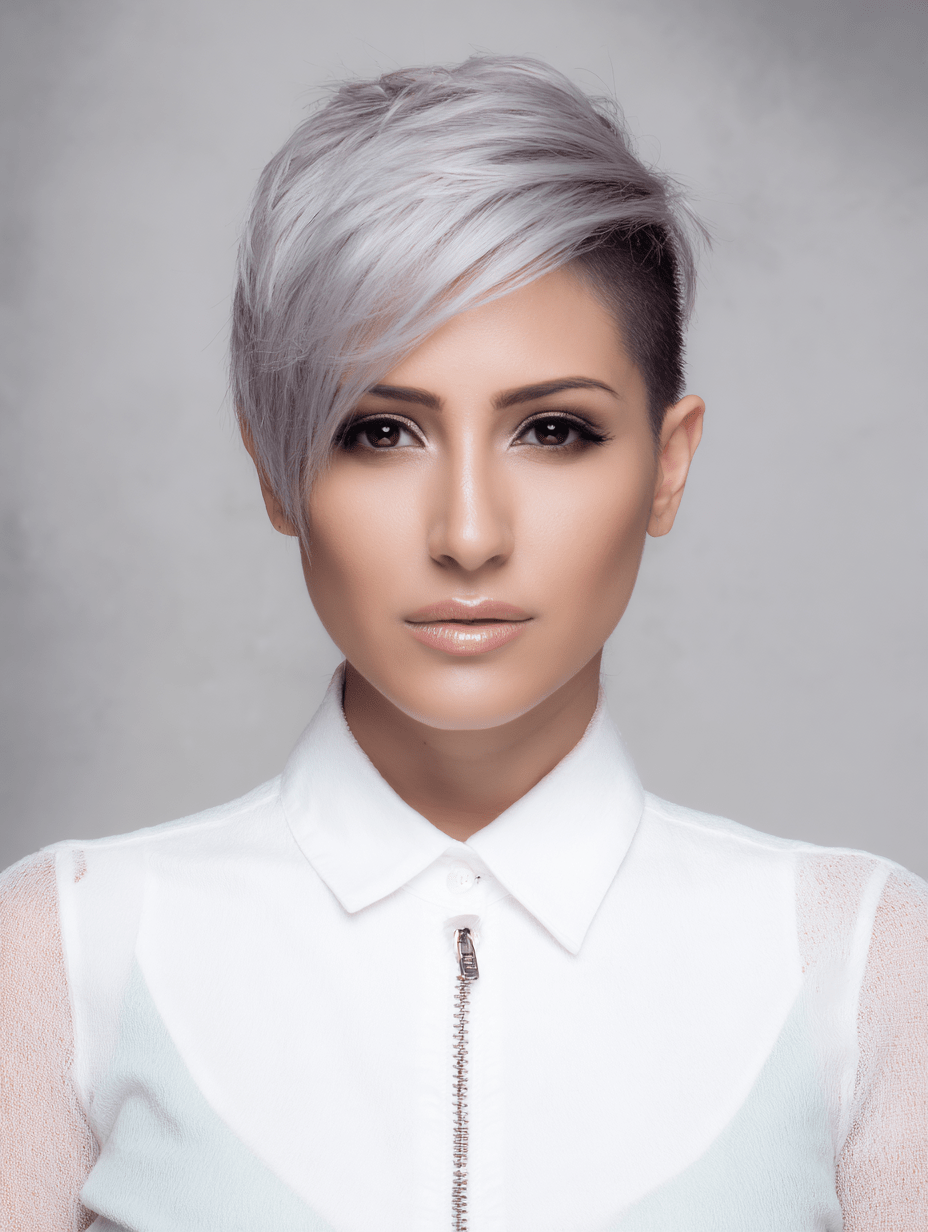
The straight short shaped cut focuses on balance and structure rather than heavy texture.
Straight hair helps the shape stay consistent, giving the style a calm, composed feel. The length is kept short enough for easy upkeep while still allowing natural movement.
This haircut feels understated but thoughtful, making it suitable for everyday wear. Styling stays simple, relying on the cut itself to carry the overall look.
Jaw Grazing Straight Bob
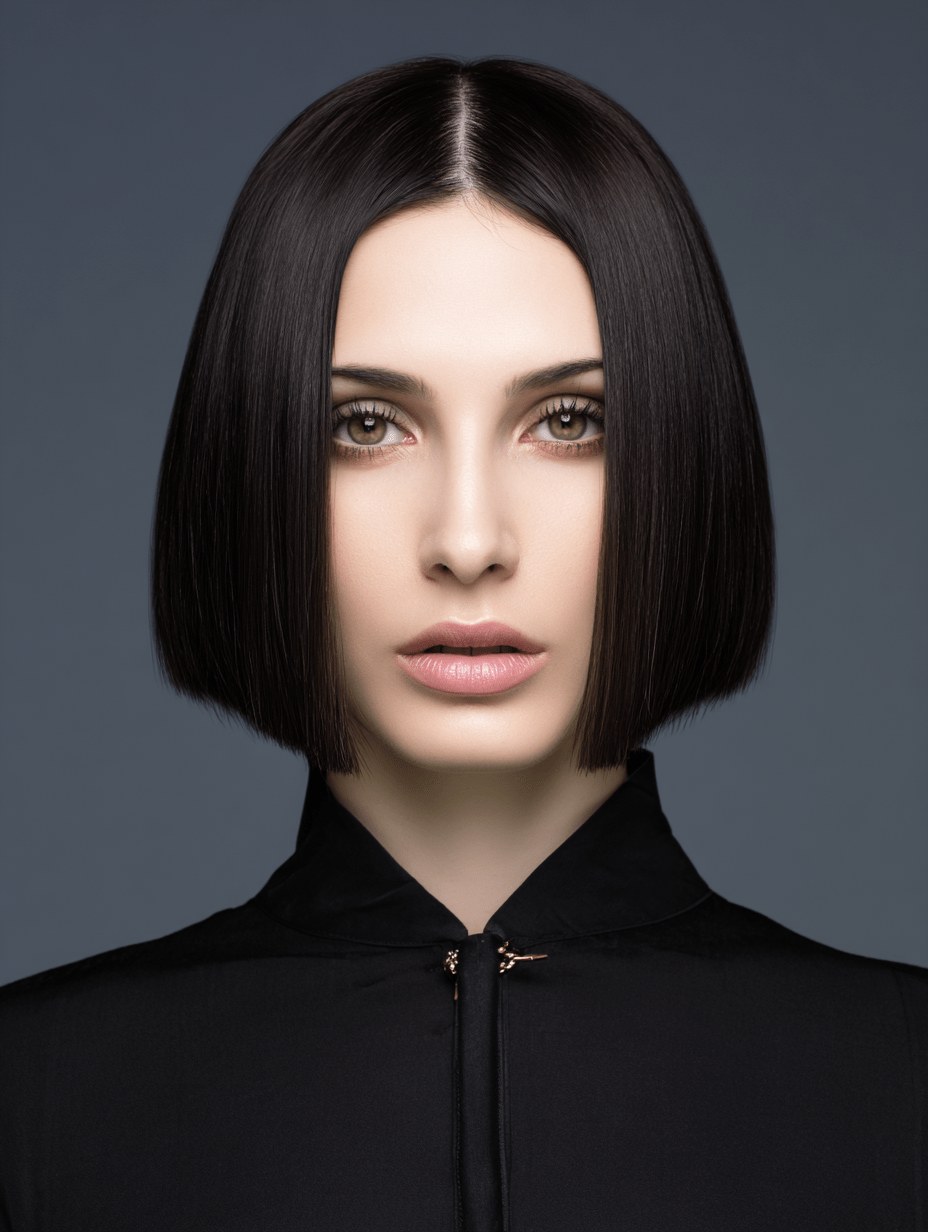
A jaw grazing straight bob sits perfectly between bold and wearable.
The length highlights the jawline while keeping the haircut clean and manageable.
Straight hair shows off the sharp outline, giving the style a refined edge. It feels versatile enough for work and relaxed settings alike.
This cut works well for those wanting a short haircut that feels confident, balanced, and easy to style consistently.
Style Guide for Straight Short Haircut Ideas
Choosing the right short haircut for straight hair comes down to structure, proportion, and how much daily effort you want to spend.
Straight hair shows every line clearly, so small design choices matter more than with textured styles.
This guide focuses on what actually works for short lengths, helping you narrow options based on face shape, hair density, lifestyle, and maintenance reality.
Understanding Face Shapes for Short Straight Hair
Oval faces work well with most short cuts, including blunt bobs, soft pixies, and cropped styles. Straight hair keeps lines clean, so balance matters more than volume.
Round faces benefit from short haircuts that add vertical length. Long pixies, asymmetrical bobs, and cuts with lift at the crown help avoid a boxed look.
Square faces pair best with short styles that soften strong jawlines. Layered pixies, textured bobs, and side parted cuts reduce harsh angles.
Heart shaped faces look balanced with short haircuts that add weight near the jaw. Chin length bobs and pixies with longer front sections work well.
Long faces suit short straight haircuts that add width. Blunt bobs, cuts with bangs, and styles without extra height help keep proportions balanced.
Hair Texture and Density Explained
Straight hair shows every line of a haircut. Precision matters more than blending.
Fine straight hair does better with blunt or softly layered cuts. Too many layers can make hair look thinner and stringy.
Medium density straight hair offers the most flexibility. It holds shape without collapsing and can support bobs, pixies, and structured crops.
Thick straight hair needs internal thinning or strategic layering. Without it, short cuts can appear bulky and heavy around the sides.
Styling Effort and Maintenance Reality
Short haircuts for straight hair are not automatically low effort.
Blunt bobs require regular trims to keep edges sharp. Pixies need even more frequent maintenance to avoid losing shape.
If daily styling time is limited, choose cuts that sit well when air dried and do not rely on heat for structure.
Bangs or No Bangs
Bangs work well with straight hair because they lie flat and hold shape easily. They help shorten long faces and soften strong features.
Skip bangs if you dislike frequent trims or live in humid conditions. Straight bangs show growth quickly and lose polish fast.
Side swept bangs are the most flexible option for short straight haircuts.
Bob vs Pixie for Straight Hair
Short bobs suit those who want structure with versatility. They frame the face, work in professional settings, and allow easier grow out.
Pixie cuts highlight facial features and bone structure. They demand confidence and consistent upkeep but simplify daily styling.
Choose a bob if you want adaptability. Choose a pixie if you want clarity and bold simplicity.
Occasion and Use Case
For professional environments, clean bobs, tapered pixies, and neat crops work best.
For casual lifestyles, textured pixies and relaxed bobs allow movement without constant styling.
For active routines, very short pixies reduce styling time and resist flattening.
Necessary Products and Tools
Short straight hair needs fewer products but better choices.
- A lightweight smoothing cream helps control flyaways.
- A small round brush adds polish to bobs.
- A flat iron is optional, not required, for maintaining clean lines.
- Dry shampoo adds grip and extends time between washes.
Hairstyles to Avoid
Avoid overly layered short cuts on fine straight hair, they remove density.
Skip heavy blunt cuts if hair is very thick without thinning, bulk builds fast.
Avoid extreme asymmetry if you prefer low maintenance, uneven growth becomes noticeable quickly.
Quick Decision Guide
- Want flexibility and easier grow out, choose a short bob
- Want minimal daily styling, choose a structured pixie
- Fine hair, go blunt or lightly layered
- Thick hair, prioritize internal thinning
- Short on time, avoid bangs
